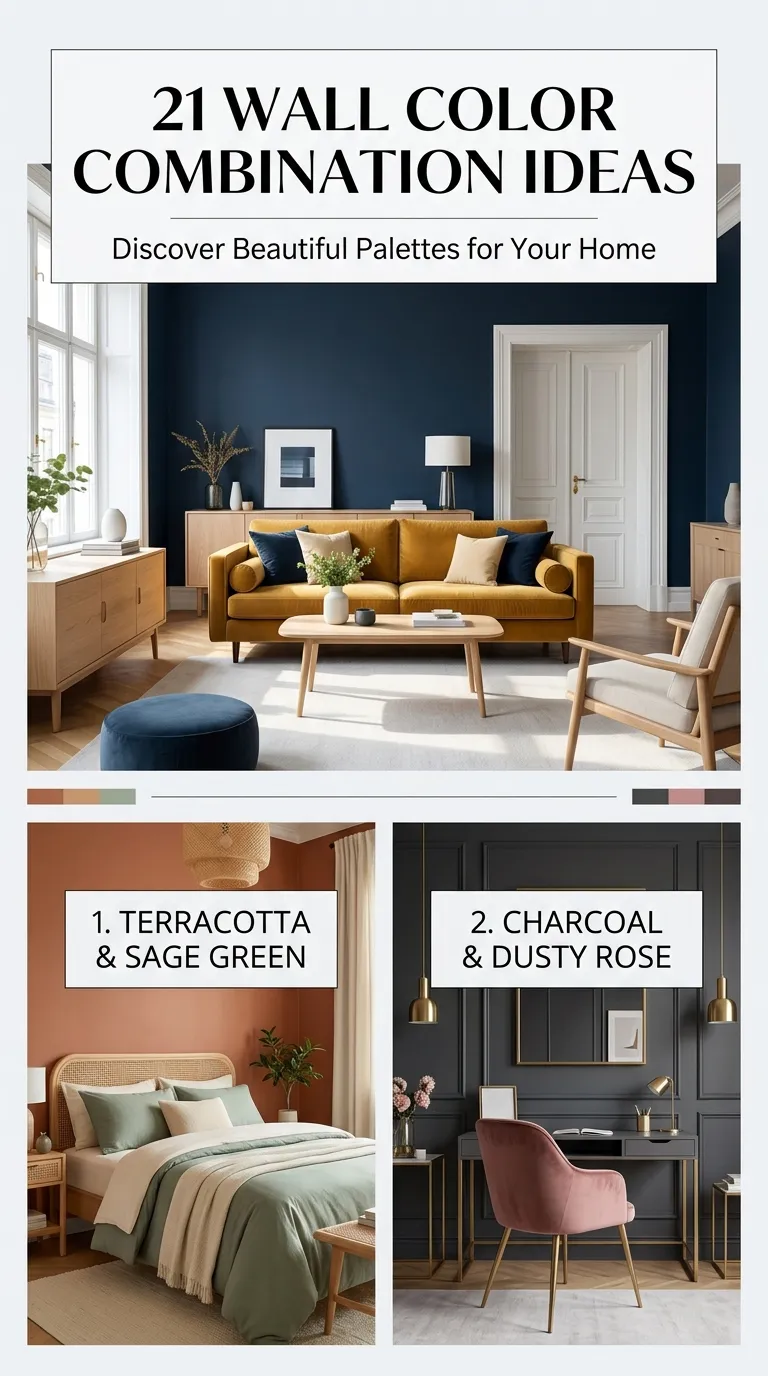
1. Elegant Picture Frame Molding

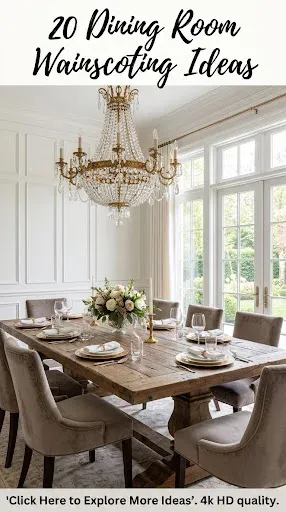
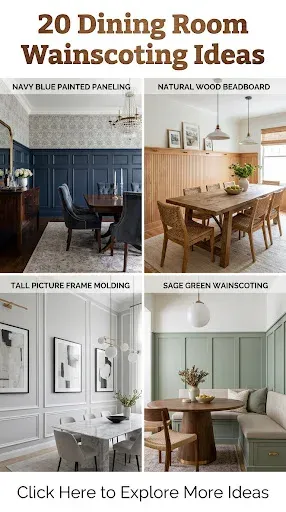
Picture frame molding, also known as wall trim or shadow boxing, brings a sense of grand classical architecture into any dining room. This style uses thin strips of wood or composite material to create rectangular shapes directly on the wall surface. The beauty of picture frame molding lies in its symmetry and refined proportions. It instantly elevates a plain wall, giving it the tailored, custom-built look seen in historic estates and luxury homes. By creating distinct visual panels, it draws the eye upward and makes ceilings feel higher, transforming an ordinary eating area into a sophisticated space worthy of formal dinner parties.
When implementing picture frame molding, scale and proportion are everything. You can choose single boxes for a minimal look or double-nested boxes for a more intricate, historic feel. Painting the molding, the wall inside the box, and the wall outside the box in the exact same color creates a seamless, modern texture. Alternatively, painting the inner panel a contrasting shade or applying decorative artwork inside the frames makes each panel feel like a gallery display. This versatile wainscoting style pairs effortlessly with both traditional crystal chandeliers and contemporary minimalist light fixtures.
2. Modern Vertical Slatted Accent Wall

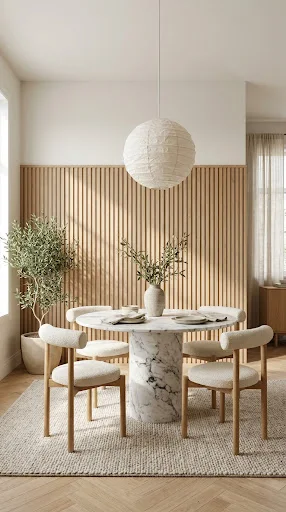
For those who love clean lines and contemporary warmth, a modern vertical slatted wainscot offers a fresh twist on traditional paneling. Composed of narrow, evenly spaced wooden slats that run vertically from the floor to mid-wall or even three-quarters up, this style adds rich tactile texture and dynamic shadows. The repetition of vertical lines creates a stunning rhythm that visually stretches the room, making it ideal for dining spaces with lower ceilings. It seamlessly blends mid-century modern design sensibilities with cozy Scandinavian minimalism.
To style a slatted dining room wall, light-toned woods like oak, ash, or birch bring an airy, nature-inspired feel to the room. If you prefer a bolder statement, painting the slats a deep charcoal, matte black, or forest green creates dramatic contrast against lighter dining furniture. Because the slats create a strong linear pattern, balance the room with soft textiles, a round marble or wooden dining table, and organic curved seating. The light filtering across the slats throughout the day generates an ever-changing interplay of light and shade that feels truly artistic.
3. Classic Board and Batten
Board and batten is a timeless wainscoting style characterized by wide vertical wooden boards joined by thin flat strips, known as battens, over the seams. Originally used on barn exteriors for weatherproofing, this architectural detail has transitioned into a beloved interior element. It brings structure, depth, and a charming rustic elegance to the dining room. Whether your interior design style lean toward modern farmhouse, coastal, or transitional, board and batten provides a crisp, geometric foundation that instantly grounds the space.
The flexibility of board and batten allows you to play with height and spacing. Installing it at two-thirds wall height adds high-impact drama while leaving room above for striking paint colors or expressive wallpaper. Wide batten spacing creates a clean, minimalist backdrop, while narrow spacing lends a cozy, historic cottage ambiance. Finish the top with a narrow ledge or cap molding, which doubles as a display shelf for framed family portraits, ceramic vases, or antique dining room treasures.
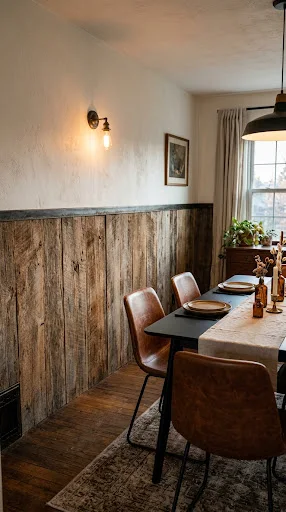
4. Rustic Reclaimed Barnwood Trim

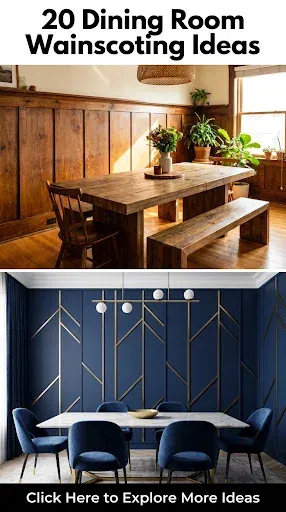
Bring authentic character, warmth, and history into your dining space with reclaimed barnwood wainscoting. Weathered by time, wind, and sun, reclaimed wood features natural imperfections, knots, nail holes, and rich tonal variations that cannot be replicated by factory-new lumber. Installing these planks along the lower portion of your dining room walls creates an inviting, tactile environment that makes guests feel instantly at home. It is the ultimate choice for rustic, industrial, or organic modern interiors.
To keep reclaimed wood looking chic rather than overly rustic, contrast its raw, weathered texture with refined dining elements. Pair a weathered wood accent wall with modern brass lighting fixtures, sleek leather dining chairs, or a polished glass-top table. Running the wood planks horizontally can widen a small dining area, while vertical installation emphasizes ceiling height. A matte clear sealant preserves the wood’s organic texture while protecting it from dust and moisture in the dining area.
5. Moody Dark Teal Beadboard

Beadboard is traditionally associated with casual, light-colored coastal cottages, but painting it in a moody dark teal transforms it into a show-stopping modern design element. Beadboard consists of narrow vertical wooden planks separated by small rounded grooves, or beads. When saturated in a rich, deep teal shade, the tight grooves catch light and shadow in mesmerizing ways, creating an opulent, jewel-toned atmosphere perfect for evening entertaining and intimate dinner parties.
Dark teal wainscoting creates a striking contrast when paired with crisp white upper walls, or you can paint the upper wall in a slightly lighter shade of blue-green for a sophisticated monochromatic look. Complement the jewel-toned teal with warm metallic accents, such as brushed brass sconces, gold-framed artwork, and a polished walnut dining table. Rich velvet upholstery on dining chairs enhances the luxurious, tactile quality of the space, creating a cozy dining sanctuary.
6. Floor-to-Ceiling Grid Paneling
If traditional waist-high wainscoting feels too subtle, floor-to-ceiling grid paneling extends architectural trim up the entire wall surface for maximum impact. By creating a continuous repeating grid of square or rectangular panels across all four walls, this full-height treatment envelope the dining room in sophisticated structural beauty. It turns plain drywall into an architectural masterpiece, evoking the grandeur of historic European libraries and grand manor dining halls while keeping a clean, geometric silhouette.
This floor-to-ceiling approach works beautifully in both small and large dining rooms. In compact spaces, painting the entire grid and background wall in a single light color like warm cream or alabaster adds depth without visually cluttering the room. In larger dining halls, deep hues like navy, sage, or dark chocolate turn the room into a cozy, dramatic dining lounge. Enhance the grid layout by centering wall sconces within specific squares or aligning custom artwork inside the framed sections.
7. Two-Tone Contrast Color Block

Two-tone color blocking with wainscoting is a creative design approach that uses paint contrast to highlight architectural details. By selecting two distinctly different colors—one for the wainscoting on the bottom half of the wall and another for the top half—you create a dynamic visual division that adds instant energy to the dining room. This technique allows you to experiment with vibrant or dark paint shades without overpowering the entire space.
Popular color pairings include dramatic charcoal wainscoting beneath a soft off-white upper wall, or a dusty terracotta wainscot paired with a soft blush or cream backdrop. For a serene, nature-inspired palette, try an olive green wainscot beneath a light beige or linen-colored upper wall. To maintain visual harmony, ensure the chair rail trim cleanly separates the two colors. Using a higher gloss finish on the lower wainscoting makes it easy to clean off shoe scuffs while bouncing light back into the room.
8. Chic Chevron Wood Paneling

Introduce movement and artful geometry into your dining room with chevron wood wainscoting. Unlike standard vertical or horizontal planks, chevron paneling arranges wood strips at precise 45-degree angles to create a continuous “V” pattern across the wall. This dynamic motif immediately draws the eye, serving as a captivating architectural feature wall that eliminates the need for expensive artwork. It blends mid-century flair with contemporary sophistication.
Chevron paneling can be crafted from natural hardwood planks with rich grain variations or constructed from simple trim boards painted in a solid color. A natural oak or walnut chevron wainscot adds warm, organic texture that pairs wonderfully with mid-century furniture and minimalist dining sets. If you prefer a more modern, monochromatic look, paint the chevron pattern in a single shade of matte slate gray or crisp white, allowing the geometric shadows alone to create visual interest.
9. Sophisticated Shiplap with Ledge

Shiplap has evolved far beyond rustic farmhouses into a modern interior staple, known for its clean horizontal lines and subtle gaps between boards. Installing horizontal shiplap as a wainscot grounds the lower portion of the dining room wall, visually widening the room and giving it a relaxed yet refined structural feel. To maximize both form and function, cap the shiplap with a wide, functional wooden shelf ledge.
The top ledge acts as a built-in gallery rail, perfect for layering framed art prints, seasonal floral arrangements, decorative ceramics, and family heirloom dining china. This allows you to easily update your dining room decor throughout the year without drilling new holes in the wall. Painting the shiplap and ledge in a soft greige, creamy ivory, or warm mushroom shade creates a cozy, welcoming atmosphere that pairs seamlessly with woven rattan dining chairs and linen tablecloths.
10. Traditional Raised Panel Wainscoting
Raised panel wainscoting represents the pinnacle of classic woodworking and formal interior design. In this style, a central wooden panel is bevel-cut around its edges so that its center surface sits flush with or raised above the surrounding frame molding. This technique creates deep relief lines, pronounced shadows, and an unmistakably luxurious tactile quality. It is the ideal choice for formal dining rooms designed around traditional, antique, or Georgian architecture.
Typically installed at dining chair height, raised paneling protects walls from scuffs while adding timeless elegance. Paint it in traditional bright white or soft off-white satin lacquer for a clean, historic feel that highlights the detailed craftsmanship of the bevels. Pair this formal wall treatment with a rich mahogany or cherry dining table, a sparkling crystal chandelier, and upholstered dining chairs to complete a classic, grand aesthetic.
11. Mid-Century Modern Geometric Trim
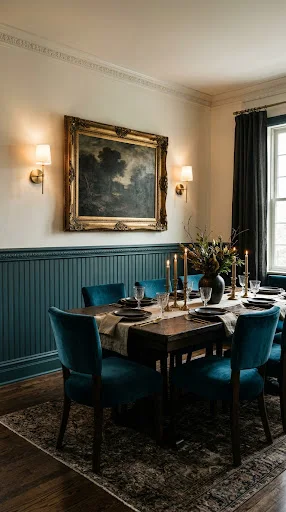
Break away from traditional straight grids and rectangular boxes by opting for mid-century modern geometric trim. This creative wainscoting style uses thin wooden strips arranged in unexpected angular patterns, such as asymmetrical diamonds, overlapping triangles, or abstract geometric mazes. It turns the lower portion of your dining wall into a custom sculptural installation, giving your home a unique, designer-curated personality.
Because geometric trim makes a strong visual statement, balance the look by painting the entire wall surface—both the raised trim and the wall beneath—in a single color. Rich, earthy mid-century shades like mustard yellow, burnt orange, warm terracotta, or avocado green highlight the bold line work without feeling overly busy. Pair this architectural treatment with iconic mid-century furniture, such as a tulip dining table or bentwood dining chairs.
12. Wallpaper and Beadboard Combo
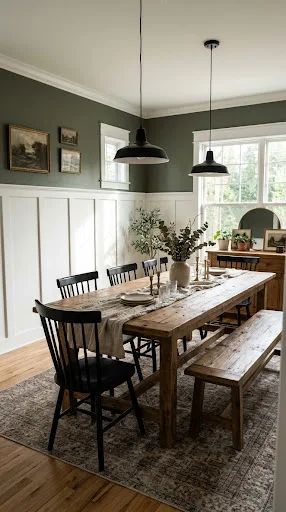
Combine the tactile texture of classic wainscoting with the artistic flair of modern wallpaper for a layered, designer-grade dining room. Installing beadboard paneling on the lower third or half of the wall creates a durable, scuff-resistant protective barrier around dining seating. Meanwhile, applying a captivating wallpaper pattern on the upper portion of the wall introduces vibrant colors, whimsical patterns, and narrative depth to the space.
To create a cohesive look, pull a dominant accent color from your upper wallpaper design and use it as the paint color for the beadboard wainscoting below. For example, pair a botanical floral wallpaper featuring emerald leaves with dark forest green beadboard. Alternatively, pair a subtle navy damask wallpaper with clean white or soft gray beadboard for a classic, timeless aesthetic. This pairing adds texture, warmth, and visual balance to dining rooms of all sizes.
13. Metallic Accent Inset Moldings

For high-end glamour and modern luxury, incorporate metallic accents directly into your picture frame or panel molding. This elevated look involves adding thin metallic strip insets—such as brushed brass, polished gold, or antique copper—along the inner edges of wooden wall moldings. When natural sunlight or warm chandelier lighting hits these metallic details, they emit a subtle, sophisticated shimmer that brightens the room.
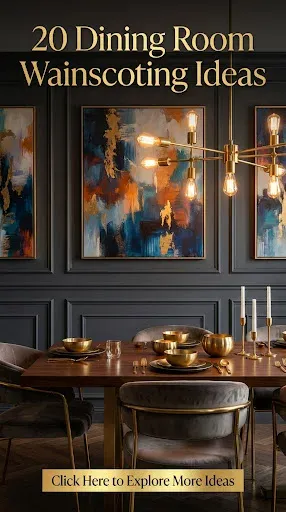
Metallic accent moldings look particularly breathtaking against rich, dark wall colors like midnight blue, plum, charcoal, or deep emerald. The contrast between matte, dark painted panels and reflective metallic trim creates an atmosphere of exclusive dining elegance. Complete the glamorous look with modern brass sconces, a marble-topped dining table, and rich velvet dining chairs with matching metallic legs.
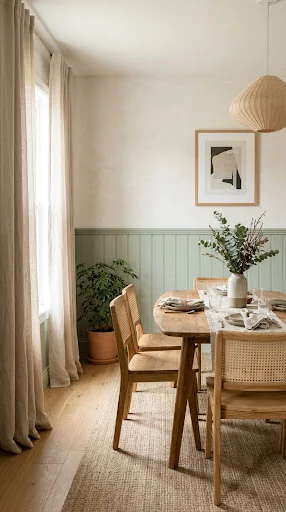
14. Soft Sage Green Tongue and Groove

Tongue and groove wainscoting offers a smooth, interlocking wooden panel finish that feels refined yet relaxed. Painting tongue and groove panels in a soft, muted sage green brings the soothing tranquility of nature into your dining room. Sage green acts as an effortless neutral, infusing the space with subtle color while maintaining an airy, peaceful ambiance that enhances morning breakfasts and evening dinners alike.
Pair sage green wainscoting with natural organic textures to emphasize its garden-inspired vibe. Combine it with natural oak dining furniture, woven jute rug runners, linen drapery, and potted indoor greenery. A soft cream or warm white paint shade on the upper wall keeps the room feeling bright and open, while matte black light fixtures or hardware add a grounding, modern contrast.
15. French Provincial Cane Insert Paneling

Infuse your dining room with Old-World European charm by creating cane insert wainscoting. Inspired by classic French Provincial craftsmanship, this style features traditional wooden panel frames inlaid with natural woven rattan cane material. The delicate, open-weave lattice texture of the cane inserts warmth, historic artistry, and visual lightness into the room, creating a romantic, vintage atmosphere.
Cane insert paneling looks breathtaking when paired with soft pastel hues, warm off-whites, or washed oak trim. It complements French country dining chairs, antique sideboard tables, and wrought-iron light fixtures. Beyond its stunning visual texture, woven cane adds organic warmth that softens hard dining surfaces like glass, marble, or polished wood, making the entire room feel instantly cozier.
16. Japandi Slatted Bamboo Panel

The Japandi design trend seamlessly merges Scandinavian functional minimalism with Japanese organic warmth. A Japandi-style wainscot utilizes ultra-fine, tightly spaced vertical bamboo or pale wood slats set against a neutral, stone-textured backdrop. This style prioritizes clean horizontal and vertical lines, minimalist craftsmanship, and natural materials to foster a calm, zen-like dining atmosphere.
Keep the color palette simple and grounded: pair light oak or natural bamboo slats with limewash or plaster-finished upper walls in oatmeal, beige, or soft taupe. Furniture should remain low-profile with simple geometric silhouettes, such as a light solid wood table and woven paper-cord dining chairs. Minimalist ceramic vases and simple warm lighting finish off this serene, uncluttered look.
17. Dramatic High-Waisted Chair Rail

While traditional chair rails sit roughly 32 to 36 inches off the floor, a dramatic high-waisted chair rail elevates the wainscoting to two-thirds or three-quarters of the wall height—often reaching 5 to 7 feet high. Raising the visual line changes the room’s proportions, making the space feel taller and dramatically grander while wrapping the dining table in an intimate, protective modern cocoon.
With high-waisted wainscoting, paint the tall lower section in a strong, grounding shade like rich navy, cocoa brown, or deep olive. Keep the remaining upper strip of wall and ceiling light to create an airy lift overhead. This exaggerated layout provides a substantial architectural base that effortlessly highlights tall floor lamps, dramatic dining table centerpieces, and oversized pendant lights.
18. Intricate Diamond Lattice Trim
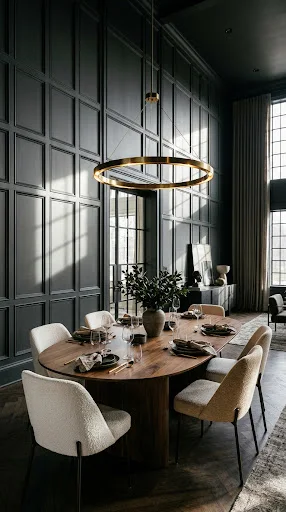
Add whimsical architectural charm to your dining space with diamond lattice wainscoting. Constructed by crisscrossing thin wooden trim strips diagonally across the wall surface, this style creates a diamond grid pattern reminiscent of classic conservatory gardens and historic manor estates. It adds playful geometric texture that instantly upgrades plain drywall into an eye-catching focal feature.
Diamond lattice trim can be styled for both casual and formal dining spaces. Painted in crisp semi-gloss white or soft cream, it adds lighthearted garden-style charm that pairs beautifully with floral seat cushions and botanical wall art. When painted in a rich dark shade like dramatic slate or deep forest green, the diamond pattern transforms into an opulent geometric backdrop suitable for dramatic, mood-lit evening entertaining.
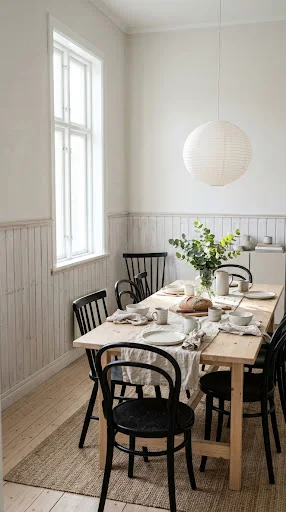
19. Scandinavian White-Washed Vertical Planks
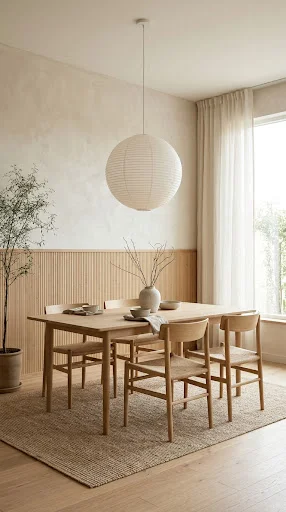
Embrace light, airiness, and Nordic simplicity with Scandinavian white-washed vertical plank wainscoting. Vertical planks are coated in a sheer white wash stain that tones down raw yellow tones while allowing the natural grain and knots of the wood to show through. This treatment reflects natural light effortlessly, making small or dark dining rooms feel instantly larger, brighter, and more spacious.
To style a Scandinavian-inspired dining space, pair white-washed vertical planks with blonde wood furniture, minimalist black metal accents, and simple glass lighting. Decorate with cozy sheepskin chair covers, minimalist ceramic tableware, and fresh green branches in simple vases. The result is a clean, timeless dining environment that feels fresh, bright, and welcoming all year round.
20. Coastal Cape Cod Shiplap
Bring the breezy, laid-back elegance of coastal New England homes into your dining space with classic Cape Cod horizontal shiplap. Painted in a clean, crisp semi-gloss white or soft seaside gray, horizontal shiplap wainscoting evokes the relaxed atmosphere of oceanfront living. Its clean horizontal lines broaden the room visually, creating a casual yet sophisticated environment ideal for long, relaxing meals with family and friends.
Enhance the coastal theme by pairing the shiplap wainscoting with woven rattan dining chairs, a weathered oak dining table, and natural fiber rugs like jute or sisal. Choose soft blue, sandy beige, or seafoam green tones for the upper walls or window drapery. Finish the space with a woven seagrass pendant lamp or a brushed nickel chandelier to complete a timeless, coastal-inspired dining sanctuary.